I've always had a soft spot for hats. There’s something undeniably classic about a well-chosen piece of headwear, and for me, a fedora has often been that go-to accessory, especially when the chill of winter sets in. I still find myself reaching for mine now and again, appreciating its timeless appeal. But lately, I've noticed something quite striking: the number of people wearing fedoras in the street seems to have dwindled significantly. This observation really piqued my curiosity, leading me down a rabbit hole of personal reflection and discovery about modern hat trends.
For years, I’d see various hat styles gracing people's heads, and fedoras were definitely part of that landscape. I own one myself, a lovely classic style, and I primarily reserve it for the colder months. It adds a certain flair to my winter coat and keeps my head surprisingly warm. However, as time went on, I started asking myself: where did all the fedoras go? It felt like they were becoming an increasingly rare sight, almost a novelty.
I remember walking through different neighborhoods, wondering if my perception was just a local thing or a broader trend. I'd occasionally spot an older gentleman, perhaps in a place like East Harlem, sporting a trilby or a similar classic hat. These sightings felt authentic, a nod to a bygone era of sophisticated dressing. But then there were the other types – what I’d think of as the "newer-school" hat wearers, the ones who seemed to wear a hat more as a statement, almost saying, "Look at me, I'm wearing a hat!" Those individuals, I noticed, were becoming almost non-existent in my daily observations. It made me ponder what truly defines a hat trend and how quickly public perception can shift.
My own experiences reinforced this idea. I could count on one hand the number of times I'd seen someone truly rocking a fedora in a casual, everyday setting recently. It felt like a style that had retreated from the bustling sidewalks into more curated fashion spaces or specific subcultures. This growing rarity made me feel like I was onto something, that this wasn't just a fleeting thought but a noticeable shift in how people choose their headwear.
My quest to understand the dwindling presence of fedoras led me to some interesting insights. It turns out my gut feeling about their rarity wasn't far off. I discovered that the true, wider-brimmed style originally called a fedora is almost never seen anymore. What was reasonably common for a while were often trilbies that had been, in a way, "renamed" or misidentified as fedoras by popular culture. Even those, I found, are now becoming quite rare. I even saw one recently, and it genuinely stood out to me as a surprising sight, making me do a double-take.
It seems the popularity of these styles had a brief moment in the sun, a kind of fad in the mid-2000s. But, as I learned, it didn't quite withstand the test of time, nor the accompanying ridicule that sometimes comes with adopting a niche fashion trend. This really explained why my own observations aligned with the sense that they've largely faded from mainstream street fashion. It was a fascinating revelation about how quickly trends can emerge and then recede, especially when they clash with evolving social norms or humor. The fleeting nature of fashion can be quite brutal, and some styles, despite their classic roots, just don't stick around in popular daily wear.
Interestingly, while I rarely see men wearing fedoras in my day-to-day life – apart from perhaps in photos of celebrities or on stage in theater productions – I've started noticing a different trend entirely. I see women wearing them much more frequently. It's a different aesthetic, often styled in a way that feels fresh and contemporary, rather than a throwback. This shift highlights how fashion items can be reinterpreted and adopted by different demographics, giving them new life and meaning. It's almost like the fedora has found a new audience and a new way to be relevant, shedding some of its past connotations and embracing a more modern, inclusive appeal.
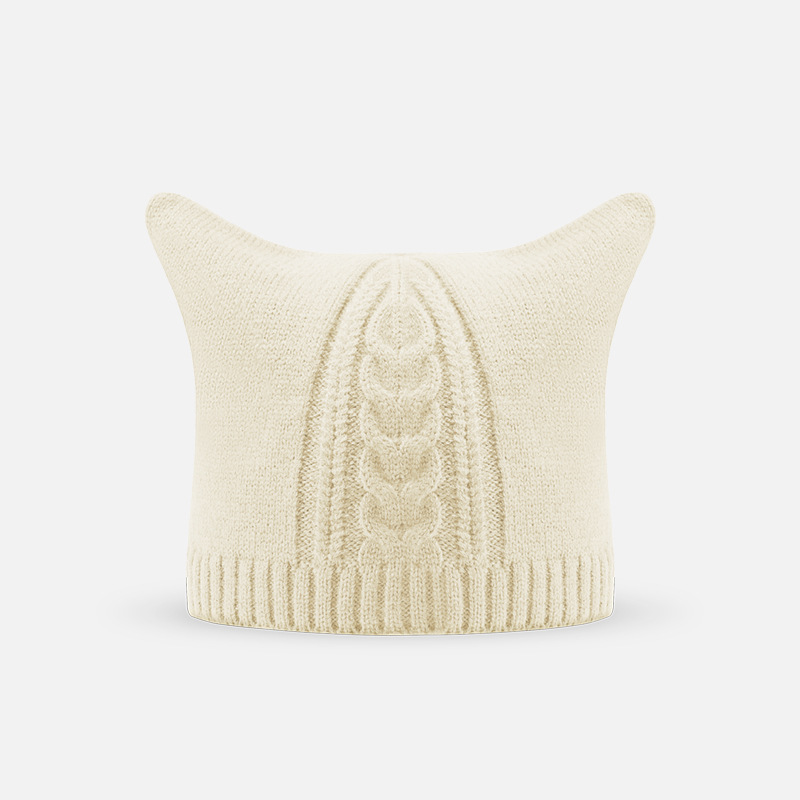
This whole exploration broadened my perspective on headwear beyond just style. It made me think more about practicality, especially as the seasons change. While a fedora is great for a touch of winter elegance, sometimes you need something purely functional and cozy. For instance, I recently discovered an amazing option for colder weather that perfectly blends comfort and simple style: the Autumn Winter Sweet Girls Hat. It's a solid color crochet knitted warm beanie cap, perfect for outdoor ear protection and windproof comfort.