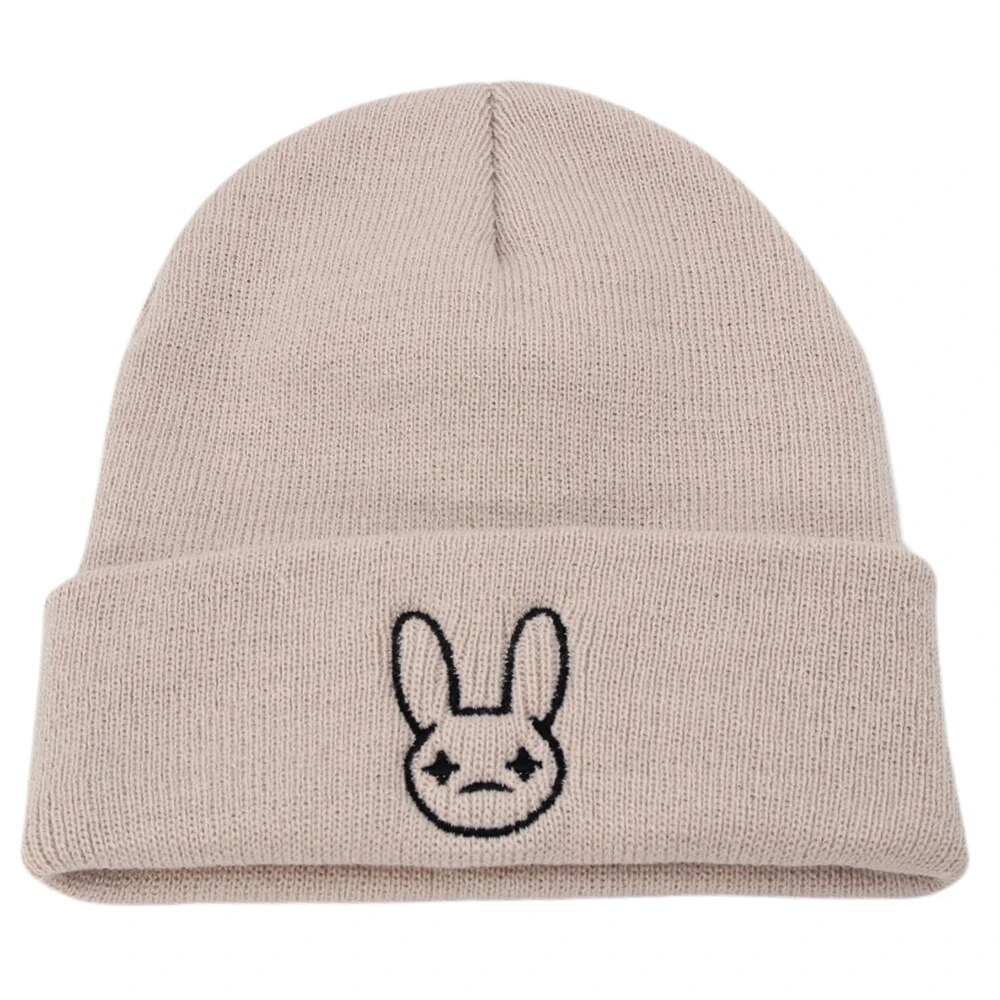
If you're like me, finding a hat that fits comfortably and actually looks good can feel like an impossible quest. I have a larger-than-average head and a whole lot of natural hair to accommodate, so most hats either squeeze my head uncomfortably or simply don't fit at all. I've spent years searching for the holy grail of hats, and I’m finally ready to share what I’ve learned. It's been a journey of trial and error, but I’ve finally found some solutions that work!
I used to dread winter because it meant dealing with hat hair and constantly adjusting ill-fitting hats. I tried everything – beanies, baseball caps, even those cute berets. Nothing seemed to work. The beanies were always too tight, leaving a mark on my forehead and flattening my hair. Baseball caps just looked awkward, and berets… well, let’s just say they weren’t my best look. The biggest problem was always my hair. I needed something that wouldn't crush my curls and would actually offer some protection against the cold.
One of my early attempts involved making my own hat. I knitted a slouchy hat, thinking the extra space would solve my problems. To protect my hair, I even stitched a satin bonnet inside. It was my favorite winter hat for a while, and definitely the only one that actually fit! But after wearing it awhile, I realized I needed a more durable solution, something that wouldn't require constant adjustments and would hold up better in the wash.
I started experimenting with different knitting techniques and hat styles. I learned that a slouchy hat is definitely the way to go when you have a lot of hair to accommodate. The extra room allows your hair to breathe and prevents that dreaded hat hair. I also discovered the importance of lining the hat, especially with satin. Satin helps to reduce friction and prevent breakage, which is crucial for maintaining healthy natural hair.
A friend of mine, whose kids have natural locs, shared that their mom knits them slouchy hats. She uses a standard pattern for the brim and the first few inches, then makes the body of the hat extra large to hold all that hair. The crucial part, she emphasized, is the lining. That made a huge difference in my thinking about how to approach this problem. It wasn't just about the size, but also about the materials and construction.
Then, I came across a pattern called the Everyday Lined Hat by Bayron Handmade. It looked promising, so I gave it a try. It worked really well and became a go-to pattern for me. The instructions were clear, and the finished product was both comfortable and stylish.
I also have a friend with a larger head who found that brioche stitch is more stretchy than other ribbing patterns. When fully stretched, you can see small spaces between the yarn strands, but at least it doesn't hurt! That was a helpful tip, and I've incorporated brioche into some of my hat designs.
I'm currently working on the 1898 hat for someone with a head circumference of 23-24 inches (earflaps were his top priority). I'm using DK yarn and adjusting the measurements and pattern for both the yarn and his head size. It's been a fun challenge, and I'm confident that the finished hat will be a perfect fit.
Here are some of the best tips I’ve learned along the way for finding or creating hats that work for large heads and natural hair: