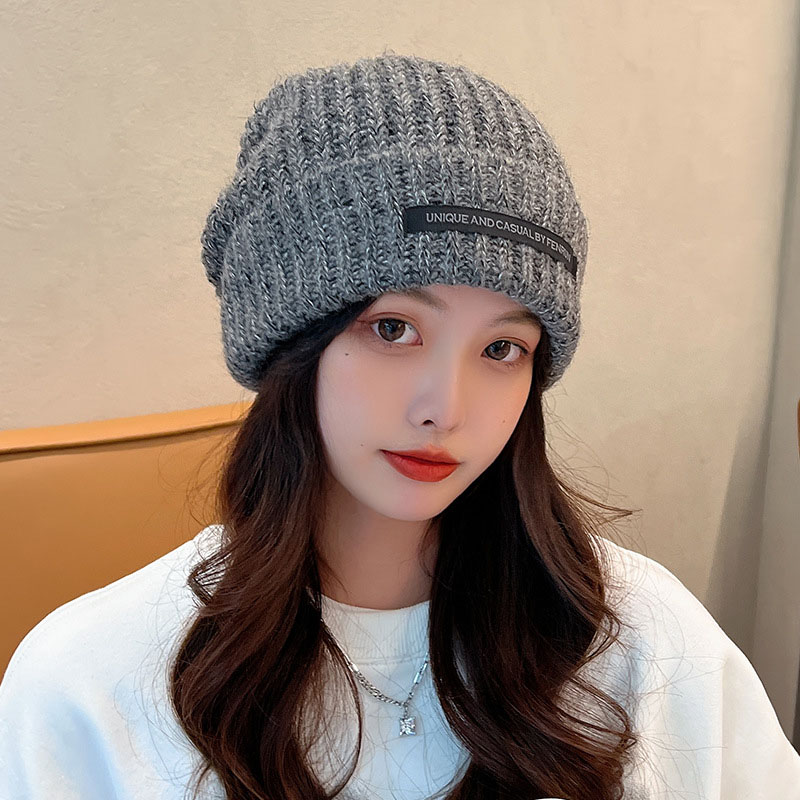
Living in Canada, I know firsthand how brutal the winters can be. For years, I struggled to find a hat that truly kept me warm. Store-bought options never seemed to cut it. That’s when I decided to take matters into my own hands and learn to knit my own winter beanie. The quest for the perfect warm beanie began!
When I first started, I was overwhelmed. I wondered if a single layer would be enough, or if I needed something double-thick. I also wasn’t sure about the best yarn to use or if I needed to add a lining. I really wanted to create something that could withstand those -20 to -30C days.
One of the first things I learned was the popularity of double-thick hats. The Musselburgh and Oslo patterns kept coming up. I tried a couple of free patterns to get the hang of things. I found a great one called "The Hubby Hat" and another named "The Perfect Double Hat." These patterns really helped me understand how to create a denser, warmer beanie. You can also find many other patterns online, which can be a great way to learn new techniques.
What surprised me most was how warm a simple hand-knit beanie could be. I discovered that no extra lining was needed, especially if I used the right yarn. My partner and I started wearing hand-knit hats, scarves, and neck warmers made with sport weight yarn, and they were surprisingly warm, even in extreme temperatures. I also found that adding ribbing to the bottom edge, or a fold-up edge, provided extra warmth and protection.
For those extra-cold days, I found that adding a fleece band to a hand-knitted hat can make a significant difference. It's a simple addition that provides an extra layer of insulation around the ears and forehead. This is especially helpful when dealing with wind chill.
To create the warmest hats possible, I started exploring more advanced techniques like stranded or double knitting. I even stumbled upon a pattern called "The 1898 Hat," which, despite sounding complicated, was surprisingly beginner-friendly. These techniques create denser fabrics that trap more heat.
Living in the Rockies, I quickly realized that wind is a major factor in how warm a hat feels. It could be -10C, but with a wind chill of -30C, the difference is significant. I learned that denser knits, like cable hats, provide better wind protection. Also, considering whether it's a wet or dry cold is important. I often wear my hand-knit toques in -10C weather while walking the dog, and I'm perfectly comfortable because of the density of the knit.
I also learned that comfort is key. I prefer a tuque or beanie that's smooth where it pulls down over the forehead, so I don't get ridges from having the ribbing right against my skin. The ribbing is fine when doubled over the smoother part of the hat. This small detail makes a big difference in overall comfort.
Recently, I tried a Knitted Wool Beanie Cap from Wholecustomdesign. I was looking for something that offered both warmth and style, and this beanie seemed to fit the bill. It's a solid color crochet beanie, and the wool is incredibly soft and warm. What I liked most was the ear protection, which is essential for those windy days. I found it to be a great addition to my winter wardrobe.
The elastic nature of the beanie also ensures a snug and comfortable fit. Plus, it's stylish enough to wear for both casual outings and more formal occasions. I've been wearing it regularly, and it's quickly become one of my go-to winter accessories. You can find more information about Wholecustomdesign on their homepage. They have a great selection of winter accessories.